
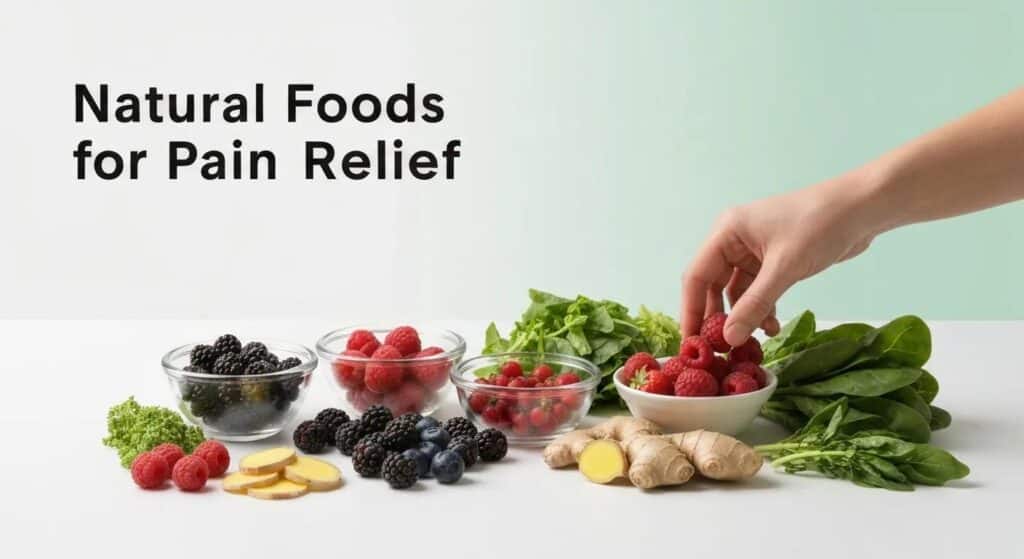
Chronic pain affects more than 20% of adults worldwide, often driven by persistent inflammation that undermines daily comfort and mobility. In this guide, you’ll discover how natural anti-inflammatory foods can ease pain, support joint health, and promote overall wellness. We’ll explain inflammation’s role in pain, highlight foods that combat inflammation, identify dietary triggers to avoid, outline effective meal plans, introduce complementary lifestyle strategies, review scientific evidence, and clarify common questions. Along the way, you can explore our focused article “3 Natural Anti-Inflammatory Foods for Pain Relief” on RegenGroup Health’s pain solutions hub to kickstart your journey.
Inflammation is the body’s immune response to injury or infection, involving immune cells, blood vessels, and molecular signals that protect tissues. When these processes become prolonged or excessive, they sensitize nerve endings and damage connective tissues, producing chronic pain that can persist for months or years. Understanding inflammation lays the foundation for dietary and lifestyle interventions that address its root causes.
Acute inflammation is a short-term defense characterized by redness, heat, swelling, and pain at injury sites. It subsides once healing occurs. Chronic inflammation, by contrast, persists when immune signals remain elevated, leading to continuous tissue irritation and systemic effects like joint stiffness and fatigue. Chronic inflammation underpins many pain conditions, including arthritis and fibromyalgia, and requires long-term modulation rather than one-time intervention.
Inflammatory cytokines such as interleukin-6 and tumor necrosis factor-alpha heighten pain receptor sensitivity and trigger nerve remodeling. This process transforms occasional aches into persistent discomfort by amplifying pain signals along the nervous system. Over time, inflamed tissues release enzymes that degrade cartilage and connective fibers, further intensifying pain and reducing mobility.
Dietary choices supply bioactive compounds that either curb or fuel inflammatory pathways. Foods rich in antioxidants, omega-3 fatty acids, and polyphenols downregulate pro-inflammatory mediators, while processed sugars and trans fats boost cytokine production. By strategically selecting anti-inflammatory ingredients, you can shift the body’s balance from pain-promoting to pain-resolving mechanisms, reducing both discomfort and reliance on pain medications.
An anti-inflammatory diet typically prioritizes whole fruits, vegetables, and grains while limiting processed foods, alcohol, and red meat. The Mediterranean diet is a well-known example, emphasizing omega-3s, vitamin C, polyphenols, and fiber-rich foods.
This supports the article’s recommendations for an anti-inflammatory diet plan and the foods to include and avoid.
Incorporating a variety of nutrient-dense foods into daily meals provides multiple anti-inflammatory mechanisms simultaneously—antioxidant protection, immune modulation, and tissue repair support. For an introductory trio of proven options, see our article “3 Natural Anti-Inflammatory Foods for Pain Relief” hosted on RegenGroup Health’s pain solutions hub. Below, we expand on categories of anti-inflammatory foods you can add to every meal.
Omega-3 fatty acids (EPA and DHA) regulate inflammatory gene expression and reduce production of pro-inflammatory eicosanoids.
By incorporating these foods thrice weekly, you reinforce anti-inflammatory signaling throughout the body and support long-term pain relief.
Omega-3 fatty acids, particularly EPA and DHA found in fish oil, have anti-inflammatory properties and may be useful in managing inflammatory and autoimmune diseases. Clinical trials have shown benefits, including decreased disease activity and reduced need for anti-inflammatory drugs.
This research validates the article’s recommendation of incorporating omega-3 rich foods to reduce inflammation.
Antioxidants neutralize free radicals that drive oxidative stress and inflammatory cell activation. The following examples illustrate how produce combats inflammation at the cellular level:
| Produce | Key Antioxidant | Benefit |
|---|---|---|
| Blueberries | Anthocyanins | Reduce inflammatory markers and improve vascular function |
| Spinach | Lutein and Zeaxanthin | Protect joint cartilage and support cellular repair |
| Broccoli | Sulforaphane | Inactivates NF-κB signaling, lowering cytokine release |
Antioxidant-rich fruits and vegetables form the foundation of an anti-inflammatory diet, protecting tissues against chronic irritation and pain.
Turmeric contains curcumin, a polyphenol that inhibits COX-2 and NF-κB pathways, directly reducing inflammatory cytokine production. Ginger’s gingerol compounds block prostaglandin synthesis and soothe muscle pain by limiting inflammatory enzyme activity.
Curcumin, the active compound in turmeric, has demonstrated anti-inflammatory properties in various studies. Research indicates that curcumin can reduce inflammation by targeting multiple pathways and molecules involved in the inflammatory process, and has shown benefits in inflammatory diseases such as arthritis.
This supports the article’s discussion of turmeric and curcumin as effective anti-inflammatory agents.
These botanical agents complement whole-food nutrition by targeting molecular drivers of inflammation.
Monounsaturated fats and fiber-rich grains regulate blood sugar, stabilize gut microbiota, and lower inflammatory markers:
Incorporating these fats and grains daily sustains nutrient levels essential for long-term inflammation management.
Processed foods frequently contain additives and refined carbohydrates that raise blood sugar rapidly, leading to glycation end-products that activate inflammatory receptors. Frequent consumption elevates insulin and inflammatory cytokines, perpetuating pain cycles and tissue damage. Reducing these items lessens chronic immune activation and supports repair.
Trans fats found in hydrogenated oils heighten LDL cholesterol and upregulate inflammatory genes. High intake of red and processed meats correlates with increased inflammatory markers such as CRP and interleukin-1β. These foods contribute to oxidative stress and joint discomfort, making them prime targets for dietary avoidance.
Simple substitutions can maintain flavor and satisfaction while reducing inflammatory triggers:
Adopting these swaps steadily reduces the dietary load of pro-inflammatory components and supports pain relief.
A starter plan focuses on whole foods, balanced macronutrients, and diverse plant sources:
Beginning with these core meals builds foundational habits that you can adapt and expand.
The Mediterranean diet emphasizes fruits, vegetables, whole grains, fatty fish, legumes, nuts, and olive oil—components proven to reduce inflammatory markers, improve lipid profiles, and support joint function. Clinical trials link this pattern to reduced arthritis pain and improved quality of life by modulating gut microbiota and systemic immune responses.
Studies suggest that the Mediterranean diet, rich in fruits, vegetables, healthy fats, and whole grains, can reduce inflammation in people with osteoarthritis. This dietary pattern emphasizes anti-inflammatory foods and limits pro-inflammatory ones, potentially leading to improvements in joint pain and overall well-being.
This supports the article’s emphasis on the Mediterranean diet as a beneficial approach for managing chronic pain and inflammation.
Below is an example meal plan illustrating balanced anti-inflammatory choices:
| Meal | Components | Anti-Inflammatory Role |
|---|---|---|
| Breakfast | Turmeric-spiced smoothie with pineapple, spinach, and almond milk | Curcumin and antioxidants reduce cytokine activity |
| Lunch | Sardine and avocado toast on whole-grain bread | Omega-3 and monounsaturated fats lower CRP levels |
| Snack | Apple slices with walnut butter | Fiber and plant omega-3 support healthy gut metabolites |
| Dinner | Baked cod with lemon, capers, steamed kale, and brown rice | EPA/DHA reduce prostaglandin synthesis |
• Plan and prep meals weekly to ensure compliance with anti-inflammatory choices. • Gradually phase out inflammatory foods to prevent cravings and withdrawal. • Engage social support—cook and share meals with friends or family. • Track your pain and energy levels in a journal to observe diet-related improvements.
These behavioral strategies reinforce new habits and sustain long-term dietary transformation.
Regular moderate exercise releases anti-inflammatory cytokines and enhances circulation, while adequate sleep regulates hormonal balance and suppresses inflammatory gene expression. Stress-reduction techniques—mindfulness, yoga, and deep breathing—lower cortisol spikes that perpetuate inflammation. Integrating these practices amplifies dietary benefits and encourages overall resilience.
Supplemental therapies can bolster dietary efforts:
Combining these modalities with nutrition fosters a comprehensive pain-management strategy.
Randomized trials demonstrate that daily fish oil supplementation reduces joint pain and stiffness scores by inhibiting pro-inflammatory prostaglandins. Curcumin studies report significant decreases in arthritis pain compared to placebo by blocking NF-κB signaling. These findings confirm that targeted nutrients can rival low-dose pharmaceutical interventions without the same side-effect profiles.
Long-term studies observe that adherence to a Mediterranean dietary pattern lowers inflammatory biomarkers (CRP, IL-6) and reduces self-reported pain in osteoarthritis patients. Improved endothelial function and balanced gut microbiota underlie these therapeutic effects, reinforcing the diet’s role in comprehensive chronic pain relief.
Leading health organizations recommend anti-inflammatory eating to manage chronic conditions:
Professional endorsements establish dietary intervention as a safe, cost-effective complement to medical treatment.
Natural anti-inflammatory foods include fatty fish (salmon, mackerel), berries (blueberries, raspberries), leafy greens (spinach, kale), nuts and seeds (walnuts, chia), herbs and spices (turmeric, ginger), whole grains (oats, quinoa), and healthy fats (olive oil, avocado).
These items supply fatty acids, antioxidants, and phytochemicals that collectively suppress inflammatory pathways and alleviate pain.
A multi-pronged approach yields the most rapid results: adopt an anti-inflammatory diet rich in omega-3 and antioxidant sources, engage in regular moderate exercise, prioritize quality sleep, and practice stress-management techniques. While no single shortcut exists, combining these strategies accelerates inflammation reduction and pain relief.
Inflammation-fighting beverages include green tea (rich in epigallocatechin gallate), turmeric tea (curcumin infusion), tart cherry juice (anthocyanins), and ginger-infused water (gingerol). Sipping these fluids throughout the day hydrates tissues and delivers bioactive compounds that counteract inflammatory mediators.
For arthritis, emphasize omega-3 rich fish to reduce joint swelling, increase vitamin C from citrus fruits to support collagen synthesis, and include high-fiber foods to regulate gut immunity. Limiting nightshade vegetables (tomatoes, peppers) if sensitivity occurs and focusing on nutrient-dense anti-inflammatory ingredients can significantly ease symptoms and improve joint mobility.
Certain foods, rich in omega-3s, antioxidants, and anti-inflammatory compounds, can reduce inflammation, ease pain, and support joint health in people with arthritis. Conversely, processed foods, red meat, and excess sugar may worsen symptoms.
This reinforces the article’s discussion on the impact of dietary choices on arthritis symptoms and overall quality of life.
By integrating these dietary and lifestyle strategies, you create a comprehensive framework for natural pain relief. Embracing whole foods that combat inflammation—paired with movement, rest, and stress management—supports long-term well-being and can reduce reliance on medications. For additional meal ideas and targeted guidance, explore our in-depth analysis in “3 Natural Anti-Inflammatory Foods for Pain Relief” on RegenGroup Health’s pain solutions hub.